Global Alliance Against Traffic in Women

GAATW sees the phenomenon of human trafficking as intrinsically embedded in the context of migration for the purpose of labour.

Global Alliance Against Traffic in Women

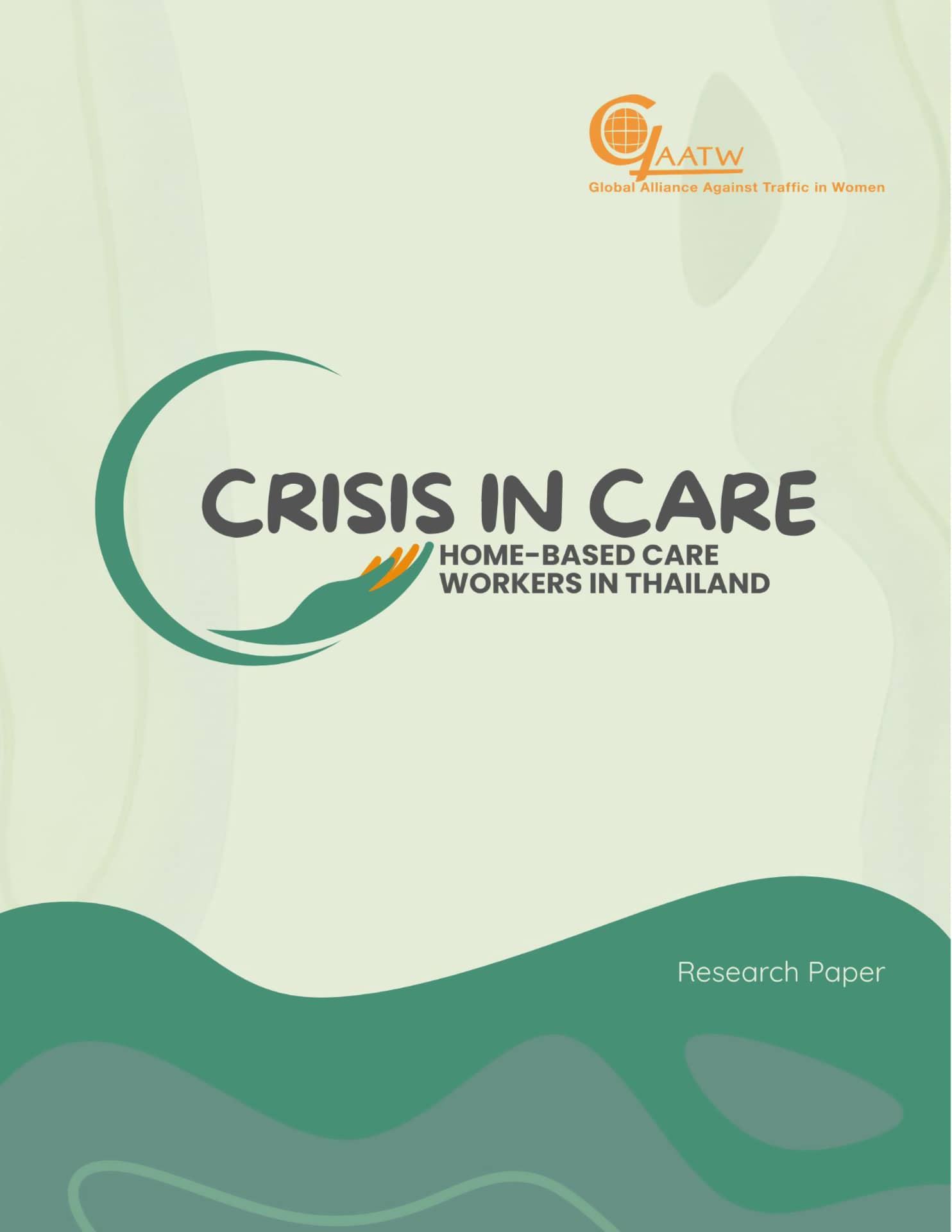
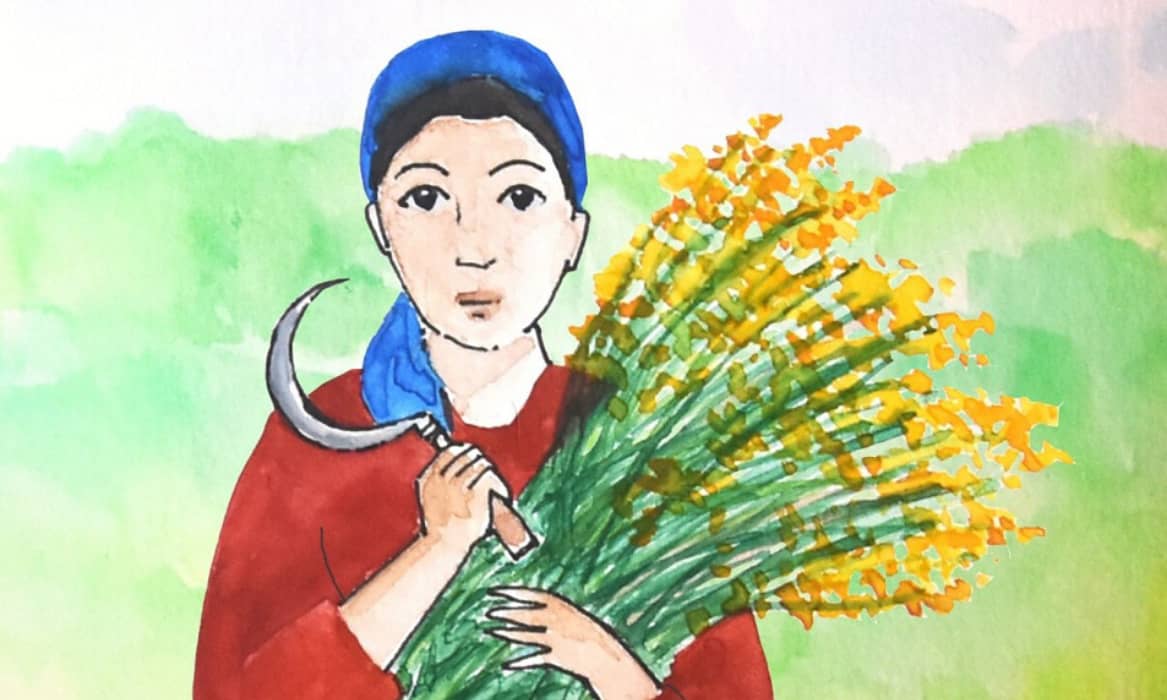
Crisis in Care: Home-Based Care Workers in Thailand

This report examines Thailand’s care economy in the context of an ageing population, declining fertility rates, and growing demand for care services. It analyses how care is organised, the gendered division of care responsibilities, and the unequal distribution of care work between households, the state, and communities. 

It further examines the work and migration experiences of care workers in Thailand, including the challenges they face in the care sector, their needs in performing paid care work, and the role of care workers' activism in shaping the care economy. 

Read more

Learning Brief: Who Gets to Tell the Story? Community-Led Media and Knowledge for Advocacy and Narrative Change

This learning brief is part of GAATW's Learning Circle series, peer-learning spaces where our members come together to share their practices, learn from one another and reflect on common challenges in their work. It brings together the reflections and discussions from our Fourth Learning Circle, where members explored how community-led storytelling, participatory research and other ways of producing knowledge can strengthen advocacy and influence from the ground up.

Read more

From Punishment to Protection (of rights): A feminist analysis of trafficking for forced criminality in the ASEAN region

Trafficking for forced criminality has historically received less attention from international institutions, the media and the human rights sector. However, awareness of this form of trafficking is increasing globally. This briefing paper aims to support that growing recognition by examining how trafficking for forced criminality is occurring within the Association of South East Asian Nations (ASEAN) region.

Read more

The Global Alliance Against Traffic in Women (GAATW) is a network of non-governmental organisations from all regions of the world, who share a deep concern for the women, children and men whose human rights have been violated by the criminal practice of human trafficking.

GAATW is committed to work for changes in the political, economic, social and legal systems and structures which contribute to the persistence of trafficking in persons and other human rights violations in the context of migratory movements for diverse purposes, including security of labour and livelihood. In particular, GAATW addresses the diverse issues arising from the trafficking in persons as currently defined in the Palermo Protocol. Within this framework, it addresses the core aspects of trafficking in persons: forced labour and services in all sectors of the formal and informal economy as well as the public and private organisation of work. Furthermore, GAATW promotes and defends the rights and safety of all migrants and their families against the threats of an increasingly globalised and informal labour market.
get involvedGAATW applies a Human Rights Based Approach to address trafficking issues, which means:

  • Centring the human rights of trafficked persons and those in vulnerable situations, in all anti-trafficking activities

  • Acknowledging the equality of all persons to exercise, defend and promote their inherent, universal and indivisible human rights

  • Non-discrimination on any grounds, including – singly or in combination - race, ethnicity, descent, sexual orientation or gender identity, religion, gender, age, migrant status, national or social origin,  birth or other status, or occupation (including work in the informal sectors such as domestic work, sex work, etc.)

  • Primacy of the principles of accountability, participation and inclusivity/ non-discrimination in working methodologies, and organisational structures and procedures. In this respect, self-representation and organisation of those directly affected by trafficking are strongly encouraged and supported.

GAATW supports the sharing of knowledge, working experiences and working methodologies amongst its members, in order to enhance the effectiveness of collective anti-trafficking activities.

GAATW welcomes co-operation with all organisations, agencies or persons who share its principles.

GAATW is organisationally independent and will refrain from any party political, governmental, commercial or religious affiliations. However, members are autonomous and free to enter into affiliations of their choice, as long as these are not contradictory to GAATW's Basic Principles.
Resources

Publications

Feminist Knowledge Building

Statements

Advocacy and Influencing

Multimedia

Strategic Communications

Join our Call for Papers for the bi-annual Anti-Trafficking Review Journal, write to atr@gaatw.org
Get the latest updates from GAATW-IS and our members by subscribing to our E-Bulletin!
Follow us on social media              
get involved get involved

© 2026 GAATW. All Rights Reserved.